In 2025 I was offered the chance to take on a new and interesting challenge:
- How do I sell tickets to a show no one’s heard of?
- The very first show from a brand new production company?
- Based off of a relatively unknown book from over 40 years ago?
- Based off a war that has been largely forgotten?
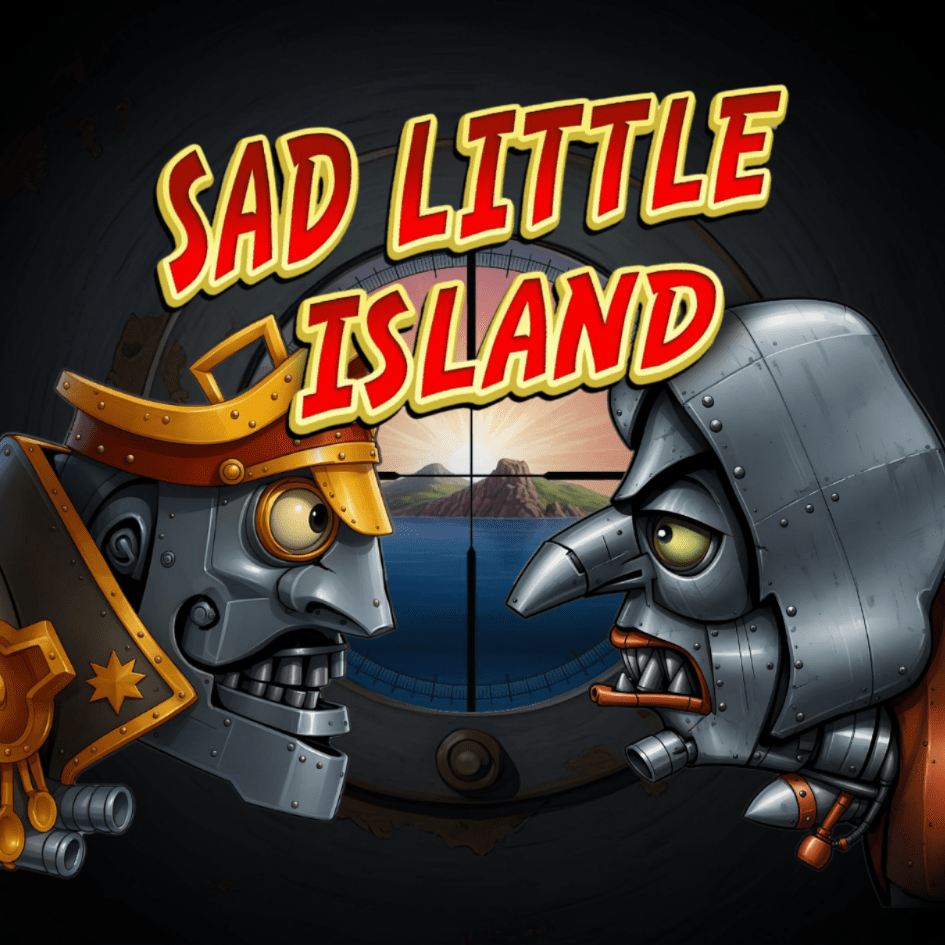
Sad Little Island is a new work of muscial theatre, broadly based on the events of The Falklands War, as satirised in Raymond Briggs’ 1984 picture book The Tin Pot Foreign General and the Old Iron Woman.
The show was booked for 3 nights, early January, at a theatre in Cambridge.
So, how did I do it?
– The Process –
1. The competition
The first step was to look at what was going on in the theatre industry locally – what were other productions doing? What would be considered the “normal” way to market a brand new show? This was my first time marketing a theatrical production, although I was no stranger to the arts. I wanted to use that to my advantage – as an outsider, I could be really objective about what worked and what didn’t. I wouldn’t get distracted by whether something was “the done thing”.
Common marketing tactics included:
- Physical media: posters, flyers.
- Social media: introducing the cast and crew with photos, posting videos of rehearsals to Facebook, Instagram and (sometimes) TikTok.
- Earned media: local radio interviews in the month before the show.
Parts of that made sense: we would absolutely print posters, post to social media and appear on the local radio. With some adaptation, we could improve our odds.
2. Adapting “the norm”
Other elements of that strategy didn’t make sense to me. Flyers in particular. We were expected to hand out flyers to theatre-goes leaving other shows in the months ahead of our production. That seemed mad to me. Theatre attendance isn’t especially high these days – the odds are, if someone is going to a local show, they’ll probably go to another local show. They won’t need prompting, they just need to know it exists. We’re listed in the theatre’s seasonal booklet, so that’s enough. We negotiated with the theatre that we’d distribute the bare minimum number of flyers (about a quarter of what was expected) and allocate the remainind funds elsewhere.
In terms of posters, we put up few hundred around the city – as standard. Easy. In addition to posters, the budget we didn’t spend on flyers went on badges and stickers. These were handed-out to the cast and crew to share amongst friends and family. They’re like flyers, but they’re portable, you spread your message much wider, and whoever has one will have something to say about this exciting new show.

Social media was the next area that needed a shake-up. I saw what others were doing and realised I could do much more. Although we had a limited budget, we did have a large pool of recourses available. In particualr, my existing film and journalism expertise. In addition to the typical “meet the team” posts, I produced an interview with the show’s creator, Chris Adshead. We spoke about his background, how he wrote the show, his goals, and much more. That gave us a great deal of social content to share that was much more in depth compared to what other shows were doing. We had a small budget allocated to boost these posts as well – we wanted to cast a wide net, so the only real targeting we did was people who lived, or spent significant time in Cambridge.
The final thing to shake up was the local radio interview. A local station would reliably platform a show’s creative team the month before the production. I felt like that was a waste of potential so I politely asked if we could perform the interview a month early. We got the same amount of earned media clout, but I could also take the interview and create clips for social media, with enough time for it to make a difference online.

3. Getting it done
With the marketing plan in place, we had 8 months to promote the show – one of which was December so, effectively, 7 months!
– Results –
How did we do?
We sold out all 3 nights of Sad Little Island, and left a disappointed queue outside the theatre on closing night.
As much as I’d like to, I can’t take all the credit. The ensemble was quite large, 12 people, all of whom brought someone along to support them, and the theatre itself did their share of promotion. However, if you take those into account, you still only acount for 50% of the ticket sales.
Marketing isn’t just about doing a good job. You need to be able to measure your successes in order to make it repeatable. As luck would have it, one of the show’s attendants was a long-time theatre markteing professional, and they were excited to share their thoughts on the show’s marketing. They highlighted 2 things that contributed to our success:
Firstly, boosting the social content. Most people will spend money on digital ads, but with either too much or too little targeting. Marketers will often create a customer avatar that lives in the right place, that has disposable income, that is 40-60 years old, and often attends local theatre. This was exactly my issue with flyers – those people are already going to to go your show, you don’t need to serve them adverts. Because I understood that a single piece of marketing wouldn’t convince someone to attend a show they’d never heard of, I knew that I should cast a wide net. If we targeted Cambridge residents, there was a liklihood that they’d be served our paid social content. Then, hopefully, they’d see some of our posters, maybe a sticker, then they might hear us on the radio before deciding to check out our website, and then buy a ticket.
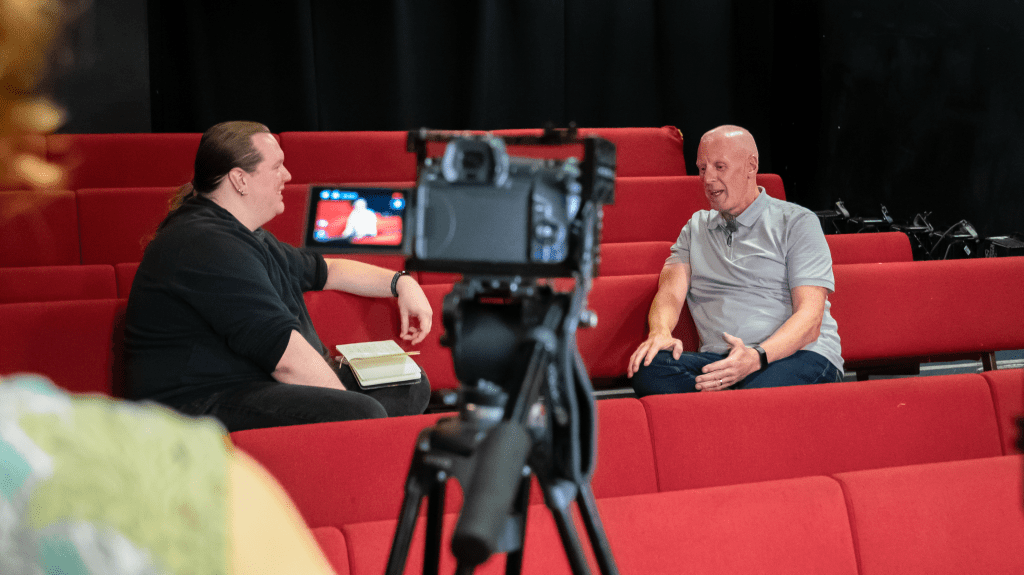
Secondly, interviewing the creator. She was really excited by this, and I was really pleased that she highlighted this content. Writers usually want to stay backstage, so creating any content with them can be challenging. But by putting Chris at ease, in an informal interview setting, leaning on my background in video production and journalism, we were able to batch-create content that was really unique to Sad Little Island, and let viewers understand the true intent of the show.
To see what’s next for Sad Little Island, you can visit their website.


Leave a Reply